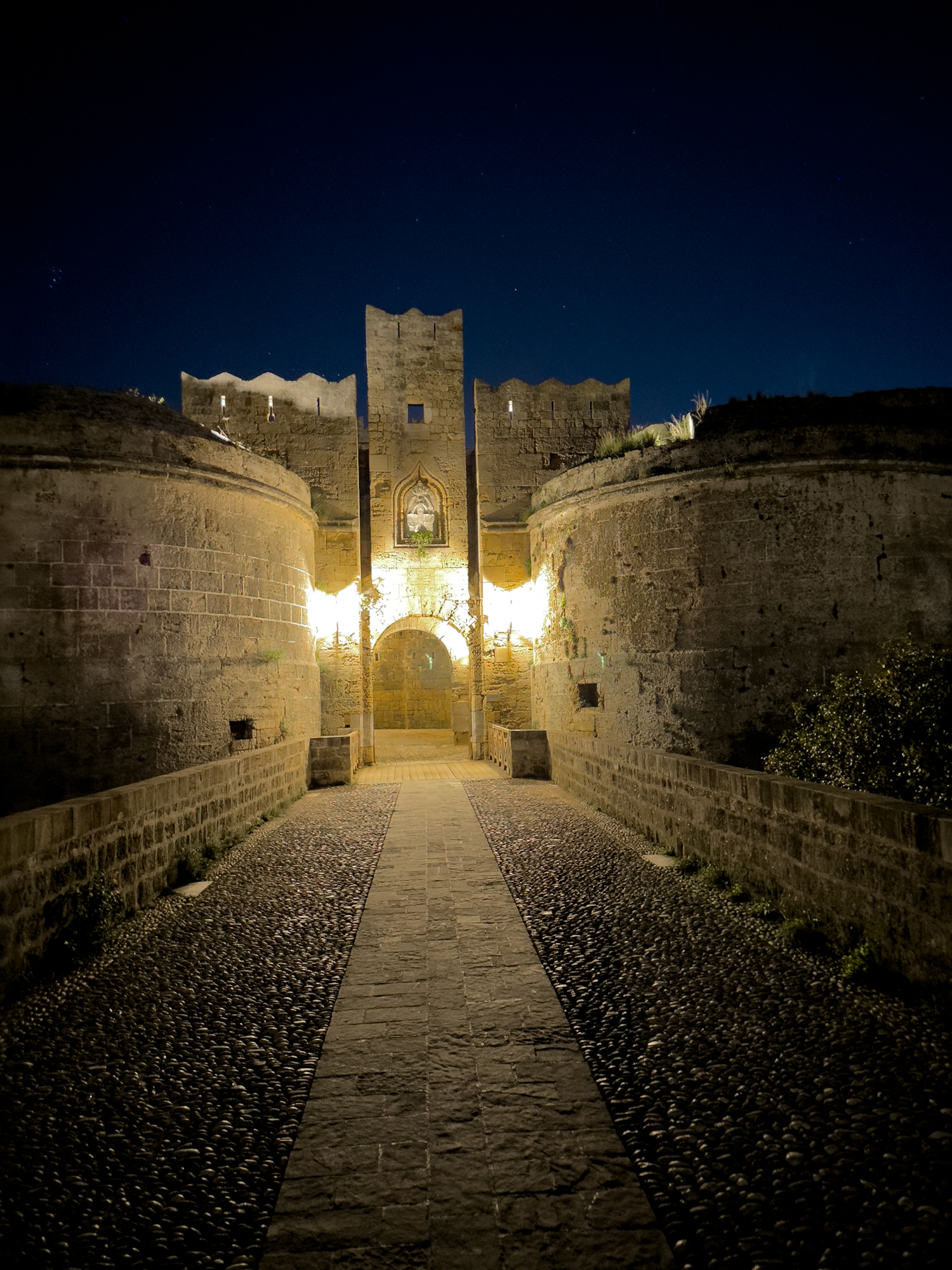
The reason one visits Rhodes town is to see a large, well-preserved medieval city encased in a double wall and pierced by eleven gates. And it is all that, though you need to also expect to see a layer for the businesses that support all those tourists that arrive to see the wonderful old town. Fortunately, at this time of year, the tourists are few and the businesses have either short hours or they are closed for what passes for winter, November to March.
Rhodes island is located in the southeastern Aegean Sea just off the coast of Turkey. Like Sicily and Malta and other islands, it has long been fought over and invaded because it was strategically important in the days when sailing a ship was how one got around. It is said that Rhodes has been inhabited since the Neolithic period, though given that period's span, 10,000 to 2,000 BC, to my mind that doesn't exactly narrow it down.
Near the center of Rhodes town, at its highest point, is the Palace of the Grand Master of the Knights. This medieval castle was built in the 7th century. The castle has served many purposes, from a fortress to a Catholic order, changing roles as the tides of history wash by. It has also survived attacks from nature, via earthquake and lightning. Yes, lightening: a bolt struck the castle where some explosives were stored, sparking a conflagration.
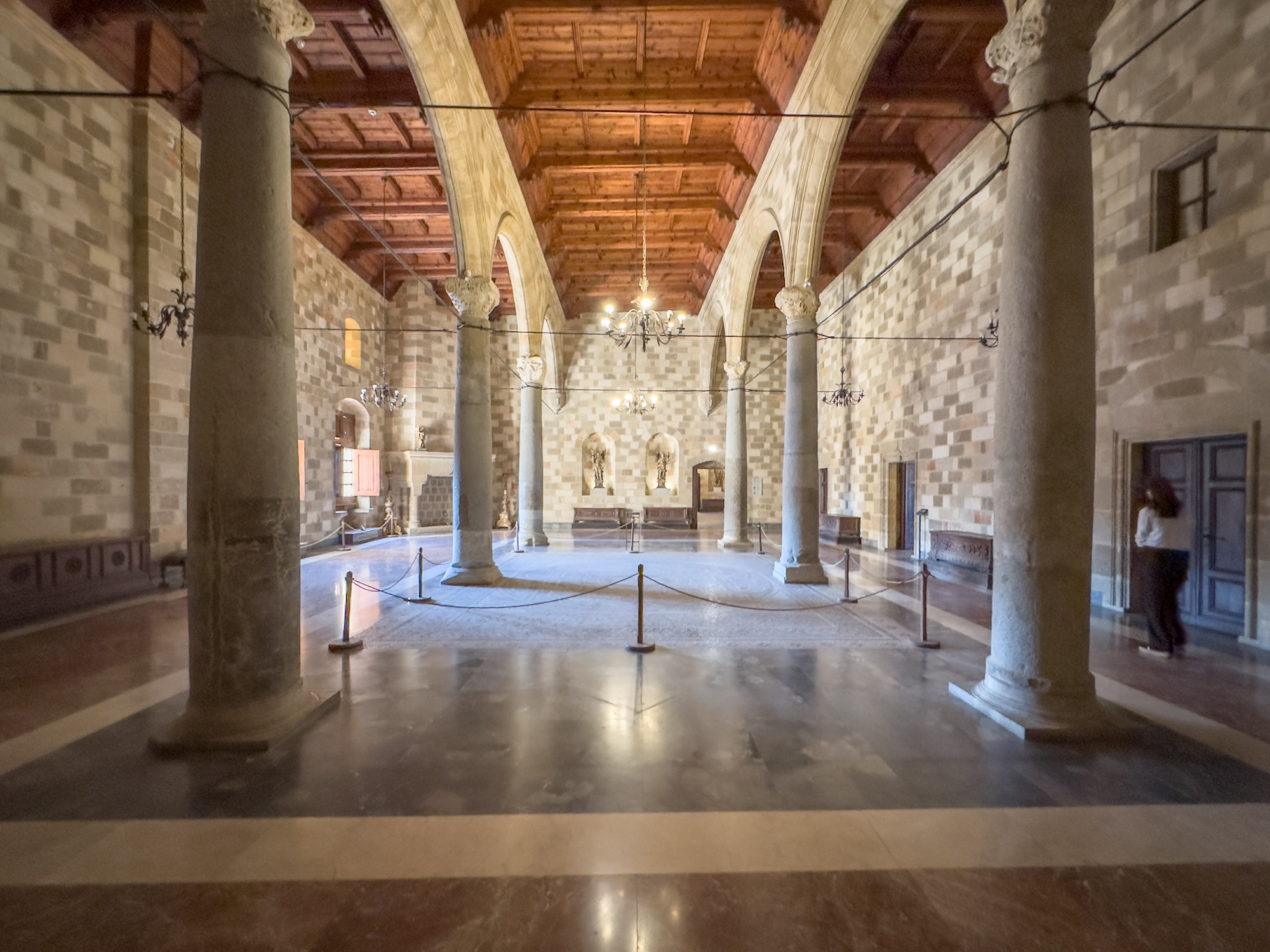
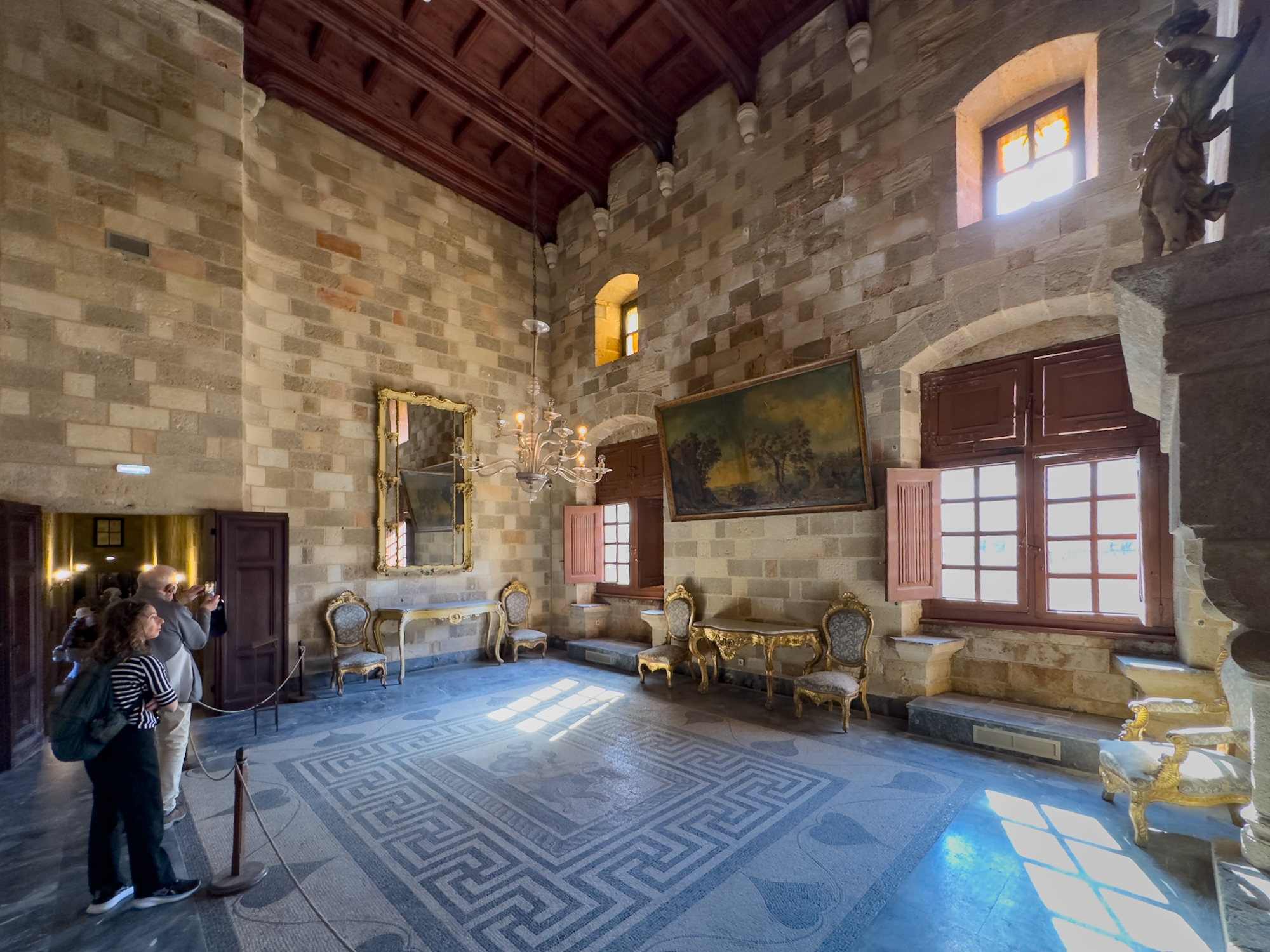
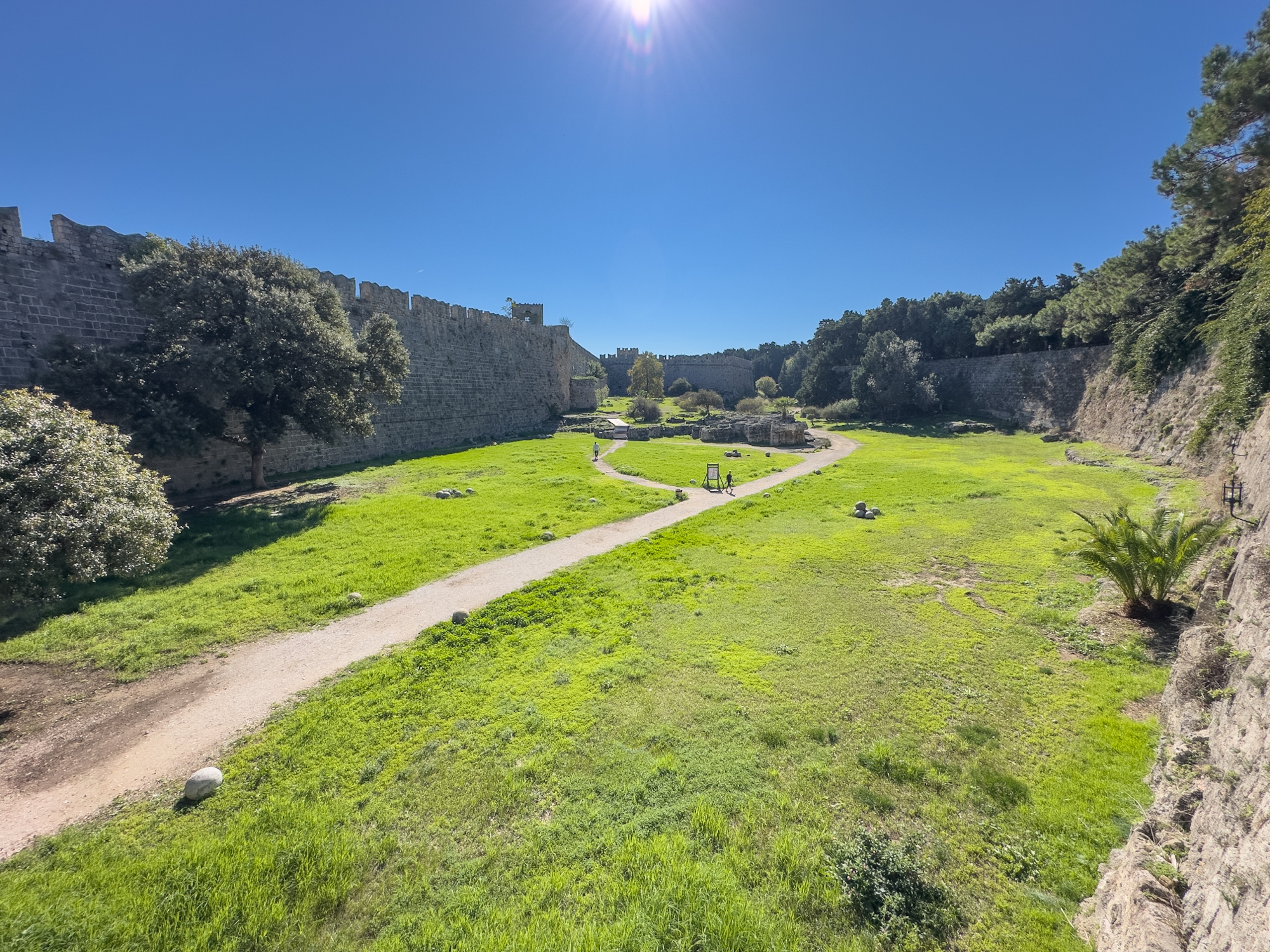
Today we visited the rooms of the sparsely-furnished palace that are open to the public. We also checked out a portion of the moat that surrounds the old town, a wide, water-less depression situated between the inner and outer walls of the old town. Unfortunately the wall is not open for exploring in the off season. And then we walked through three of the eleven gates that pierce the city wall.
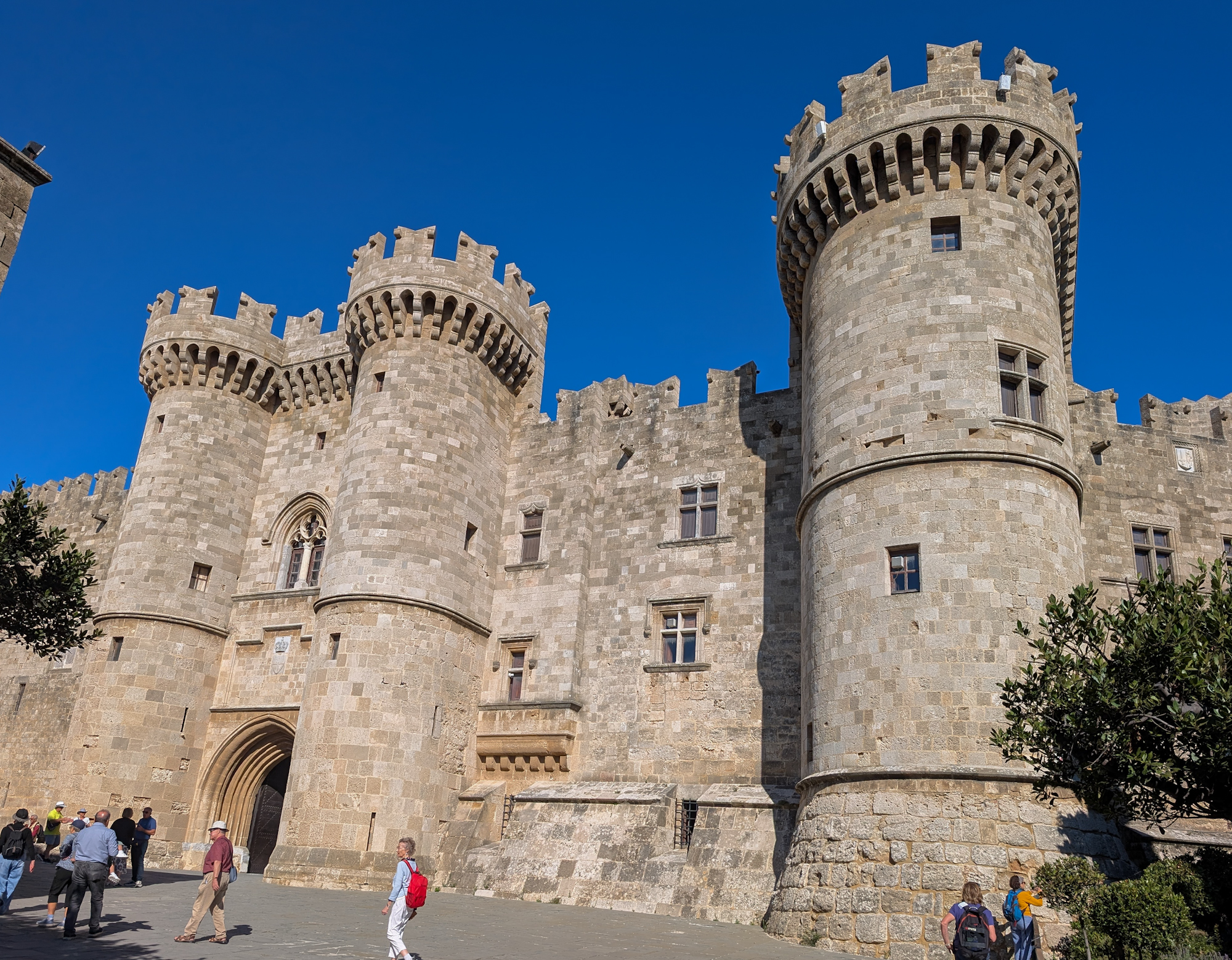
Also known as the Kastello, the palace was originally built in the late 7th century as a Byzantine citadel. It has been fought over, shaken down by earthquakes, blown up, destroyed, and re-built over the course of its long life.
Also known as the Kastello, the palace was originally built in the late 7th century as a Byzantine citadel. It has been fought over, shaken down by earthquakes, blown up, destroyed, and re-built over the course of its long life.
Also known as the Kastello, the palace was originally built in the late 7th century as a Byzantine citadel. It has been fought over, shaken down by earthquakes, blown up, destroyed, and re-built over the course of its long life.
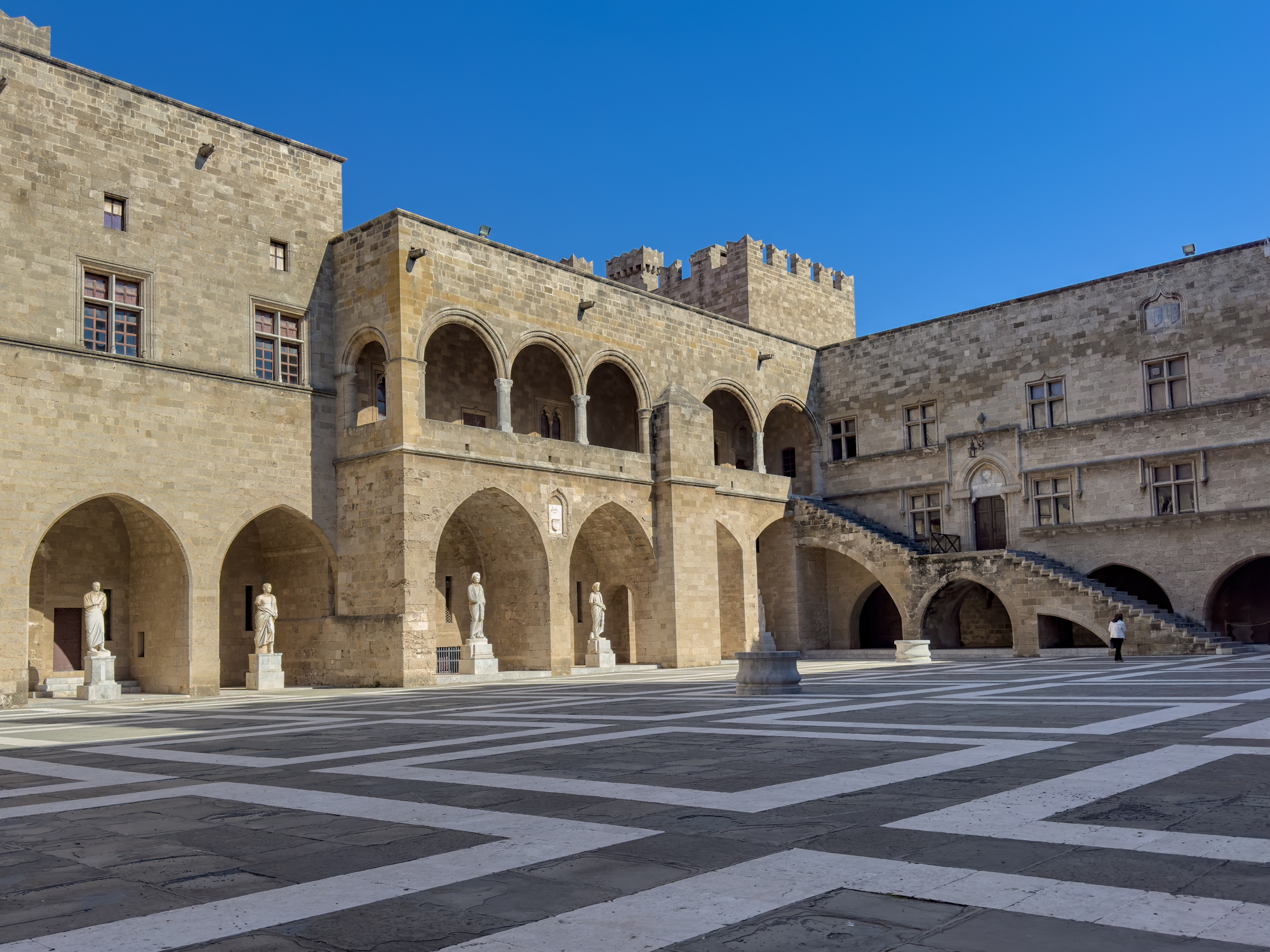
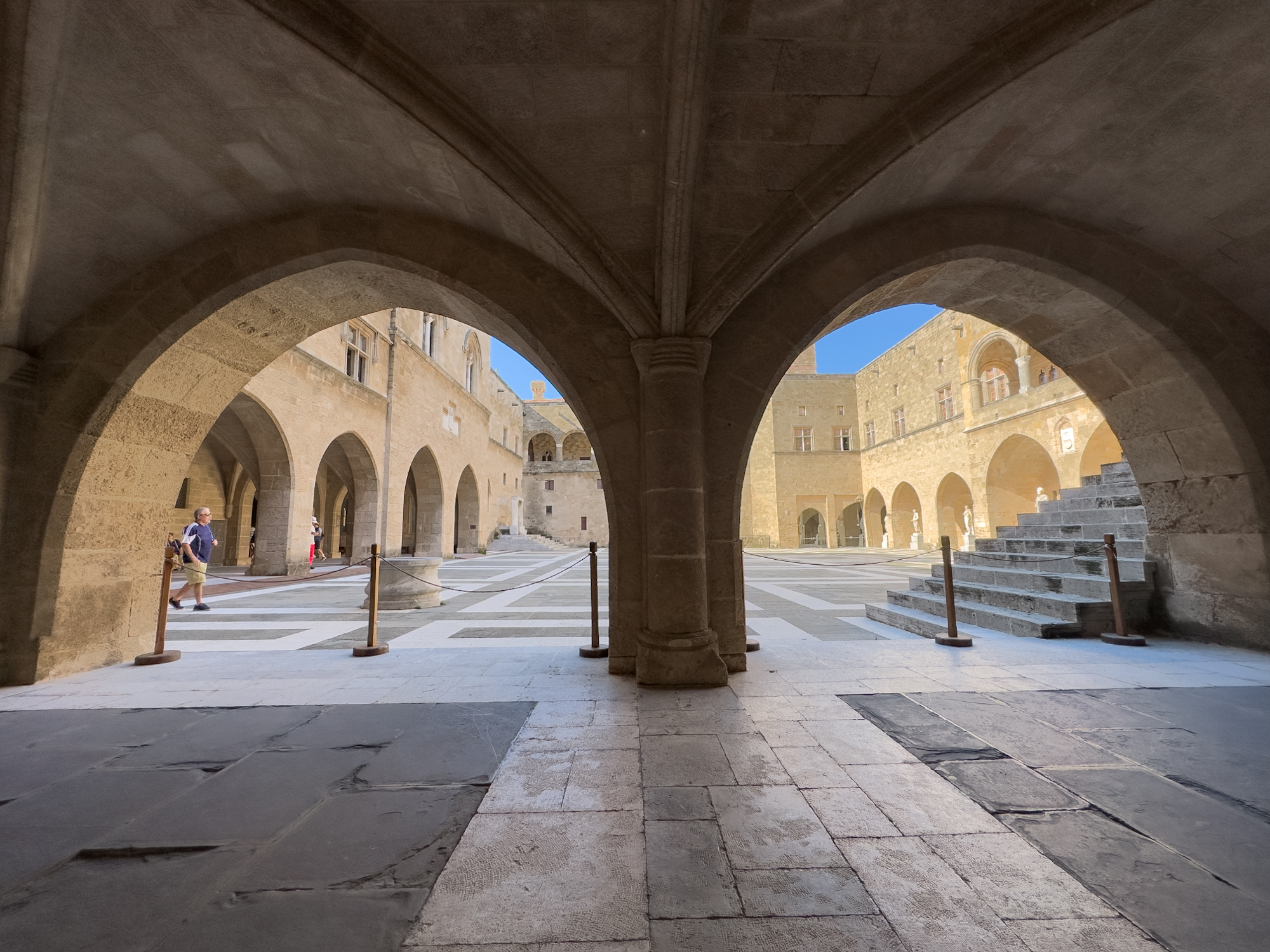
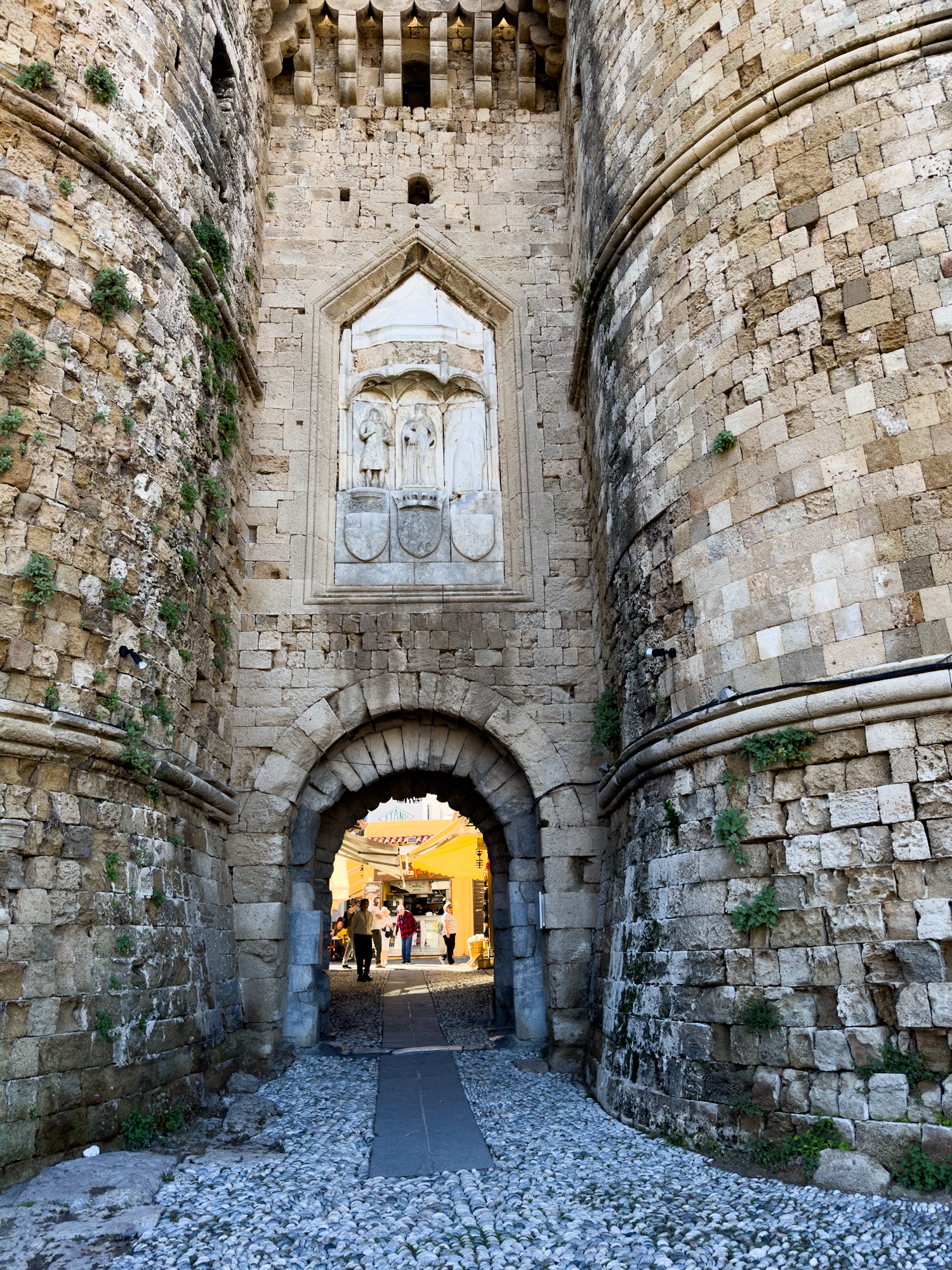
The main ceremonial entrance from the harbor. Its towers were built more for prestige than defence, as the space between the sea and the walls was too narrow for a land-based assault. It was restored in 1951 after WWII damage.
The main ceremonial entrance from the harbor. Its towers were built more for prestige than defence, as the space between the sea and the walls was too narrow for a land-based assault. It was restored in 1951 after WWII damage.
The main ceremonial entrance from the harbor. Its towers were built more for prestige than defence, as the space between the sea and the walls was too narrow for a land-based assault. It was restored in 1951 after WWII damage.